What to Do If Your Ceramic Coating Fails Prematurely in Ceramic Coating Roseville, CA
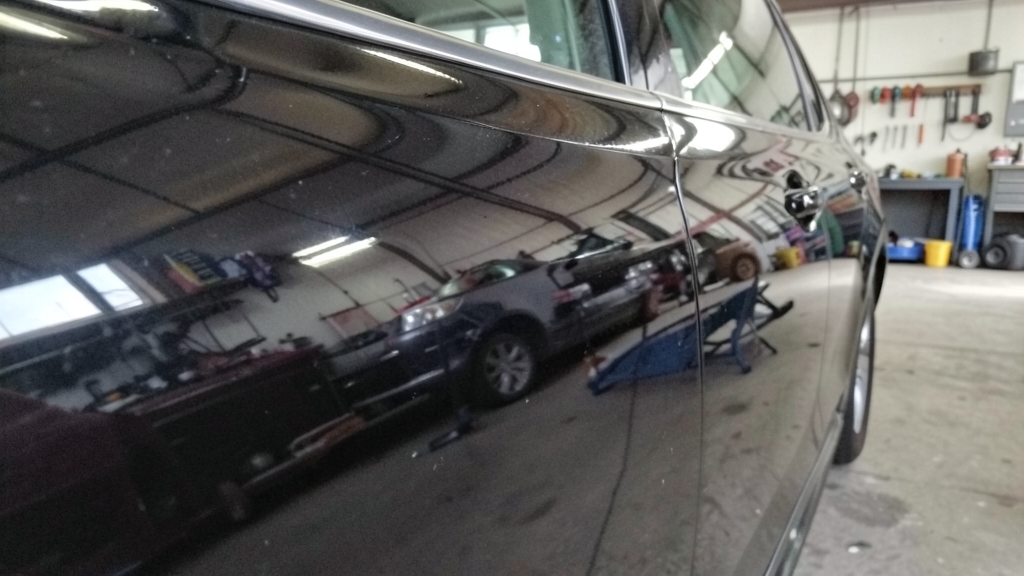
Ceramic coatings are engineered for durability, but even in Roseville’s dry heat, premature failure can happen. If your coating’s beading fades or swirls reappear, it’s often fixable—if you act fast. Our team diagnoses the root cause and restores protection before paint damage sets in.
Signs Your Ceramic Coating Is Failing Early
Hydrophobic behavior weakens first: water stops beading and sheets off unevenly. This is the earliest red flag we see on Roseville vehicles.
Swirl marks and fine scratches reappear despite regular washing. A properly cured coating should resist light marring for years.
Water spots etch into the surface, especially after our hard-water sprinklers run. These mineral deposits signal the coating’s sacrificial layer is gone.
Once the coating starts lifting or peeling, the clear coat beneath is already compromised. Address beading loss or hazing immediately.
Why Ceramic Coatings Fail Prematurely in Roseville
Improper prep is the top culprit. If paint correction wasn’t done before application, contaminants or oxidation prevent proper bonding.
Incorrect curing conditions—like parking under direct Sacramento Valley sun too soon—can bake the coating before it fully cross-links with the paint.
Harsh chemicals or automatic car washes with abrasive brushes strip the coating’s top layer. Even some DIY sprays contain solvents that degrade SiO2 matrices.
Roseville’s summer heat accelerates UV oxidation. Without regular maintenance, the coating’s sacrificial layer depletes faster than in cooler climates.
Ceramic Coating Failure vs. Normal Wear: What’s the Difference?
Normal wear shows gradual reduction in hydrophobicity over 2–5 years. Premature failure happens within months, often tied to application errors.
True failure includes hazing, peeling, or staining that wasn’t present post-application. Normal wear just dulls the gloss slightly.
| Issue | Premature Failure | Normal Wear |
|---|---|---|
| Onset | Within 3–12 months | 2–5 years |
| Water Behavior | No beading, flat sheeting | Reduced beading, still repels |
| Surface Appearance | Hazing, peeling, stains | Slight gloss reduction |
| Cause | Poor prep, improper curing, harsh chemicals | UV exposure, environmental contaminants |
Immediate Steps to Mitigate Damage
Stop using any cleaning products with high pH or solvents. Switch to a pH-neutral car shampoo and a wash mitt to avoid adding scratches.
Park in a garage or under a cover to shield the paint from UV rays. Roseville’s intense sun can worsen degradation if the coating is already compromised.
Avoid pressure washers or automated car washes. High-pressure water and abrasive brushes will strip what’s left of the coating.
Care for Failing Coating
- Wash with pH-neutral shampoo only
- Dry with a clean microfiber towel (no chamois)
- Apply a temporary spray sealant for minimal protection
- Schedule a professional inspection ASAP
Can a Failing Ceramic Coating Be Repaired or Does It Need Replacement?
If the failure is superficial—like diminished hydrophobicity—we can often restore performance with a maintenance spray or light polish to refresh the top layer.
For peeling or severe bonding issues, the only solution is full removal and reapplication. Attempting to layer a new coating over a failing one traps contaminants and worsens adhesion problems.
Paint correction is almost always required before reapplying. Even in Rocklin or Granite Bay, we see DIY fixes that skip this step, leading to repeated failures.
Use a water droplet test: if water doesn’t bead, the coating is gone. If it beads unevenly, a light polish may revive it temporarily.
How We Diagnose and Fix Ceramic Coating Failures in Roseville
We start with a paint thickness gauge to check for previous corrections or clear coat damage. Thin readings often reveal hidden issues.
A surface contamination test with a clay bar or iron remover identifies embedded particles that prevented initial bonding.
For chemical damage, we use a mild APC to test if the coating lifts. If it does, full removal is necessary before any new application.
Our team also inspects adjacent areas like wheel ceramic coating or PPF edges. Failures often start where coatings meet unprotected surfaces.
Preventing Future Failures: Pro Tips for Roseville Drivers
Always start with paint correction. Even new cars from Lincoln or Antelope dealerships often have swirls from transport and prep.
Follow the 24–48 hour curing window strictly. No rain, no car washes, and no direct sun—Roseville’s dry air helps, but UV is still a threat.
Use a ceramic-safe wash routine: two-bucket method, grit guards, and microfiber towels. Avoid dish soap or household cleaners.
Consider adding paint protection film (PPF) to high-impact areas like the hood and bumper. PPF and ceramic coatings complement each other in Rocklin and Citrus Heights climates.
How to Test Your Ceramic Coating’s Condition at Home
A quick at-home test can confirm whether your coating is still active or needs professional attention.
- 1Water Beading Test
Spray a fine mist of water on a clean panel. If droplets bead tightly and roll off, the coating is intact. Flat sheeting means it’s failing.
- 2Sheeting Test
Pour a small stream of water from a bottle. A healthy coating will cause water to sheet off in uniform layers. Streaks or hanging droplets indicate degradation.
- 3Finger Swipe Test
After washing, lightly drag a clean finger across the surface. A properly coated panel will feel slick; roughness suggests the coating is wearing thin.
- 4Dust and Dirt Check
Observe how dust accumulates. Ceramic coatings repel dust; if your car collects dirt faster than usual, the hydrophobic layer may be compromised.
- 5UV Flashlight Inspection
In a dark area, shine a UV light on the paint. Uneven fluorescence can reveal spots where the coating has worn away or wasn’t applied evenly.
Frequently Asked Questions
How long should a ceramic coating last in Roseville’s climate?
With proper prep and maintenance, a professional-grade ceramic coating typically lasts 3–5 years in our area. The dry heat and UV exposure can shorten this if the vehicle isn’t cared for correctly. Request a quote to discuss longevity based on your driving habits.
Can I apply a new ceramic coating over a failing one?
No. Layering a new coating over a failing one traps contaminants and prevents proper adhesion. The old coating must be fully removed, followed by paint correction, before reapplication. This is critical for vehicles in Ceramic Coating Roseville, Rocklin, or Granite Bay.
What’s the difference between ceramic coating failure and paint defects?
Coating failure affects the top protective layer—you’ll see water behavior changes or peeling. Paint defects like scratches or oxidation are beneath the coating and require correction before any new coating is applied.
Does hard water in Roseville damage ceramic coatings faster?
Yes. Hard water leaves mineral deposits that can etch into the coating’s surface over time, especially if not washed off promptly. Regular decontamination washes help mitigate this.
Is ceramic window tint affected by the same failure causes?
Ceramic window tint uses different materials (often nano-ceramic films) and adheres to glass, not paint. However, improper installation or harsh cleaners can still cause peeling or bubbling. Our team handles both coatings and tints for full-vehicle protection.
What should I do if my ceramic coating fails right after application?
Contact the installer immediately. If the failure is due to improper prep or curing, many shops (including those serving Ceramic Coating in Lincoln or Antelope) will redo the work at no cost.