What Is Ceramic Coating and Why Roseville Drivers Swear By It in Ceramic Coating Roseville, CA
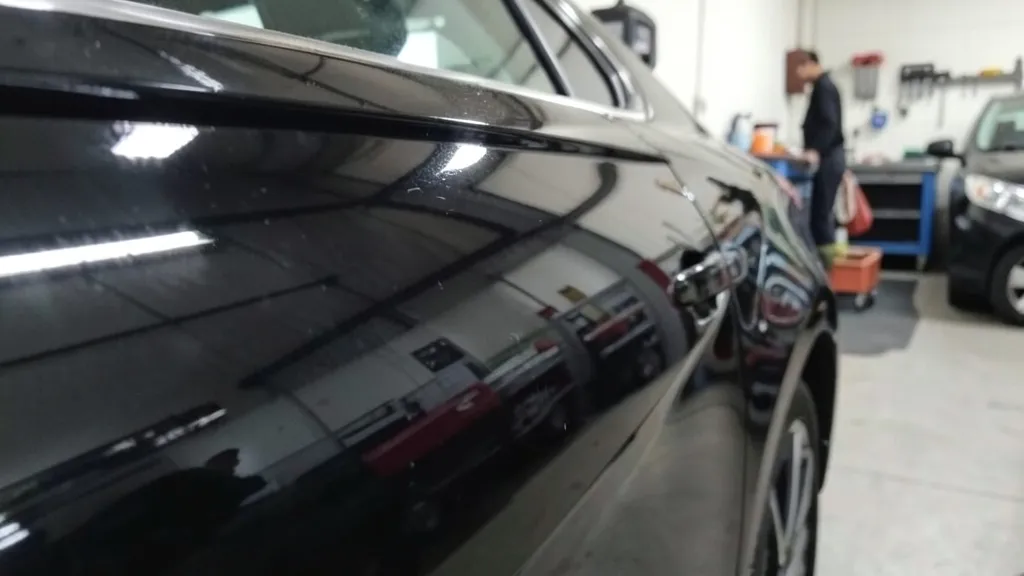
Ceramic coating isn’t just another wax or sealant—it’s a liquid polymer that chemically bonds with your vehicle’s paint to create a hydrophobic, ultra-durable shield. In our area, where summer sun and winter grit take a toll, it’s the gold standard for long-term protection and that showroom shine.
How Ceramic Coating Works on Your Vehicle’s Paint
Ceramic coatings use nano-ceramic particles that fill microscopic pores in your clear coat, forming a semi-permanent layer. This bond doesn’t wash away or break down like traditional wax.
Once cured, the surface becomes extremely hydrophobic—water beads up and rolls off, taking dirt and contaminants with it. It also resists UV rays, which fade and oxidize paint over time in our intense California sun.
The hardness rating, often measured at 9H on the pencil scale, means it stands up to light scratches and swirl marks better than any conventional sealant. That’s why it’s a favorite for daily drivers and weekend cruisers alike.
Ceramic Coating vs. Wax vs. Sealant vs. Paint Protection Film
Not all paint protection is created equal. While wax and sealants offer temporary shine and minor protection, ceramic coating provides years of defense with minimal upkeep.
Paint Protection Film (PPF) is a physical barrier that guards against rock chips and deep scratches, but it lacks the self-cleaning and gloss-enhancing properties of a quality ceramic coating. Many of our clients in Rocklin and Granite Bay combine both for ultimate protection.
| Type | Durability | Hydrophobic? | Scratch Resistance | Self-Healing? |
|---|---|---|---|---|
| Ceramic Coating | 2-5+ years | Yes (High) | Light (9H hardness) | No |
| Carnauba Wax | 1-3 months | Mild | Minimal | No |
| Synthetic Sealant | 4-12 months | Moderate | Low | No |
| Paint Protection Film (PPF) | 5-10 years | Moderate | High (Physical Barrier) | Yes (Some Brands) |
Why Roseville’s Climate Demands Ceramic Coating
Our region’s dry summers and occasional winter storms create a perfect storm for paint damage. UV exposure breaks down clear coat, while dust and pollen etch into unprotected surfaces.
Ceramic coating acts like sunscreen for your car, blocking 99% of UV rays. It also repels water, reducing the risk of water spots—a common issue in areas like Citrus Heights and Antelope after irrigation or rain.
The coating’s heat resistance helps prevent paint blistering on hot days, which is critical when temperatures on asphalt can exceed 140°F. Even your wheels and brake calipers benefit from ceramic protection to resist brake dust and high temps.
If you frequently drive on Highway 65 or I-80, ceramic coating paired with PPF on the front bumper and hood provides strong defense against rock chips and bug splatter.
The Ceramic Coating Process: What to Expect
Proper application starts with thorough paint correction. Our team removes swirl marks, oxidation, and minor scratches to ensure a flawless base—this step is non-negotiable for premium results.
Next, we apply the ceramic coating in a controlled environment to avoid dust contamination. The product needs 24-48 hours to cure fully, during which the car must stay dry.
For full-vehicle coatings, we often break the process into stages, especially for larger vehicles or fleets in Lincoln and Rocklin. This ensures even coverage and maximum durability.
Beyond the Paint: Other Areas That Benefit from Ceramic Coating
While paint protection gets the most attention, ceramic coatings are versatile. Wheel ceramic coating prevents brake dust from baking onto rims, making cleaning a breeze.
Interior ceramic protection shields dashboards, leather, and trim from UV fading and stains. It’s a game-changer for families and pet owners who want to maintain a like-new cabin.
Headlight restoration paired with a ceramic top coat keeps lenses clear and yellowing-free, improving nighttime visibility on dimly lit roads like those in Granite Bay.
Common Misconceptions About Ceramic Coating
Some drivers assume ceramic coating makes their car scratch-proof. While it resists light scratches, it’s not invincible—PPF still provides superior protection for heavy-duty needs.
Others think it eliminates the need for washing. In reality, while it reduces dirt adhesion, regular maintenance (with pH-neutral soaps) is still required to preserve the coating’s properties.
A few believe DIY kits deliver the same results as professional application. Without proper paint prep and controlled conditions, the coating won’t bond correctly, leading to premature failure.
Never apply ceramic coating over existing wax or sealants. The surface must be completely clean and bare for the coating to adhere properly.
Is Ceramic Coating Right for Your Vehicle?
Ideal candidates include daily drivers, luxury cars, and classic vehicles that see regular use. If you want to reduce washing time and keep your car looking newer longer, it’s a smart investment.
For off-road rigs or work trucks, consider pairing ceramic coating with PPF on high-impact areas. We’ve seen great results for fleet vehicles in Roseville and Lincoln that need both aesthetics and durability.
Older vehicles with heavy oxidation or peeling clear coat may need paint correction or respraying before coating. Our team can assess your paint’s condition during a consultation.
Signs Your Car Needs Ceramic Coating
- Fading or dull paint from sun exposure
- Frequent water spots or mineral deposits
- Swirl marks or light scratches from washing
- Difficulty keeping the car clean between washes
- Desire for long-term protection with minimal upkeep
How to Maintain Your Ceramic Coated Vehicle
Proper care extends the life of your coating and keeps your car looking its best.
- 1Wash Regularly
Use a pH-neutral car shampoo and a microfiber wash mitt to avoid scratching the surface. Wash every 1-2 weeks to prevent dirt buildup.
- 2Dry Thoroughly
Always dry your car with a clean microfiber towel to prevent water spots. The hydrophobic nature of the coating makes this easier.
- 3Avoid Automatic Car Washes
Brushes and harsh chemicals in automatic car washes can degrade the coating over time. Stick to hand washing or touchless systems.
- 4Use Ceramic-Safe Products
Avoid wax, sealants, or polishes with abrasives. Instead, use a ceramic coating maintenance spray to refresh the hydrophobic properties.
- 5Address Contaminants Quickly
Bird droppings, tree sap, and bug splatter can etch into the coating if left too long. Remove them promptly with a detailer spray and microfiber cloth.
Frequently Asked Questions
How long does ceramic coating last in Roseville’s climate?
With proper care, a professional-grade ceramic coating typically lasts 2-5 years or more in our area. The lifespan depends on factors like exposure to sun, frequency of washing, and whether the car is garaged. Request a quote to discuss options tailored to your vehicle.
Can ceramic coating be applied over existing paint chips or scratches?
No, ceramic coating won’t fill or hide imperfections. For best results, we perform paint correction to remove swirl marks, oxidation, and light scratches before applying the coating. Deep chips or scratches may require touch-up paint or PPF.
Does ceramic coating work on matte or satin paint finishes?
Yes, but it requires a specialized matte-specific ceramic coating. Standard coatings can create a glossy sheen that ruins the matte look. We offer solutions for matte, satin, and even vinyl-wrapped vehicles in Ceramic Coating Roseville.
Will ceramic coating prevent rock chips?
Ceramic coating adds a hard layer of protection, but it won’t stop rock chips from severe impacts. For areas prone to chips, like the front bumper or hood, we recommend combining ceramic coating with Paint Protection Film (PPF) for comprehensive defense.
How does ceramic coating compare to ceramic window tint?
Ceramic coating protects your paint, while ceramic window tint blocks UV rays and heat from entering your cabin. Both use nano-ceramic technology but serve different purposes. Many of our clients in Ceramic Coating Roseville opt for both to maximize comfort and protection.
Is ceramic coating worth it for a lease vehicle?
Absolutely. Ceramic coating helps maintain your car’s value and appearance, which can reduce end-of-lease charges for excessive wear and tear. Plus, it makes cleaning easier during your lease term. We offer options for leased vehicles in Rocklin, Citrus Heights, and beyond.