Why Transparency in Prep Work is Non-Negotiable for Ceramic Coating in Roseville in Ceramic Coating Roseville, CA
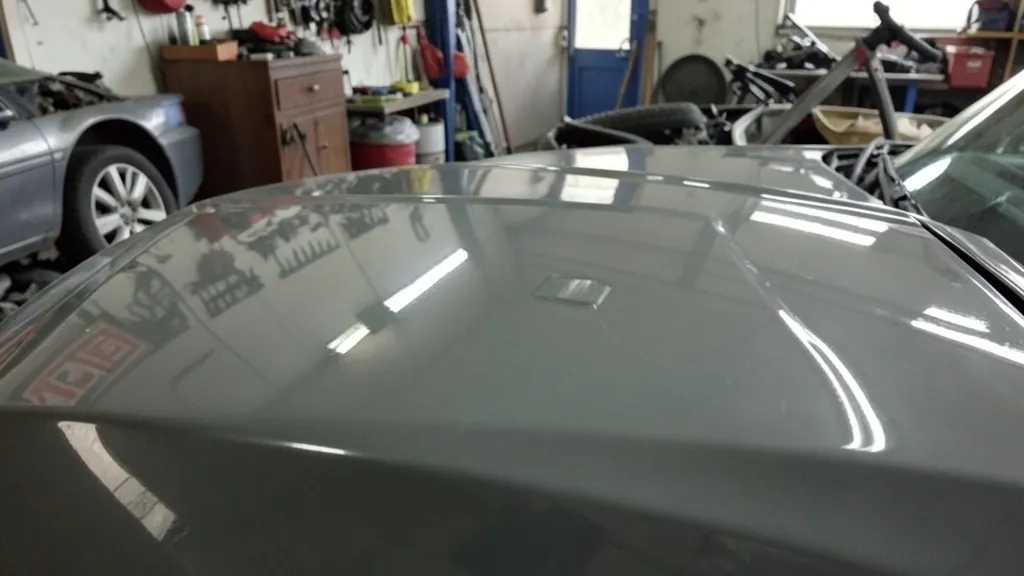
A ceramic coating is only as good as the surface beneath it. In Roseville’s harsh sun and seasonal dust, cutting corners on prep work often leads to premature failure. We pull back the curtain on why full transparency in every prep step—from decontamination to final inspection—is the difference between a showroom finish and a wasted investment.
The Foundation of a Flawless Ceramic Coating
Ceramic coatings bond at a molecular level to your vehicle’s clear coat. If the surface isn’t immaculate, the coating can’t adhere properly, leading to peeling, hazing, or reduced longevity.
In Roseville, where UV rays and road grime are relentless, even microscopic contaminants can compromise durability. That’s why we treat prep as the most critical phase of the entire process.
Step-by-Step: What Proper Prep Actually Looks Like
We start with a thorough wash using pH-neutral shampoos to remove surface dirt without stripping existing wax or sealants. This isn’t your average car wash—it’s a controlled, methodical process.
Next, we use a clay bar and iron remover to pull embedded contaminants from the paint. Roseville’s iron-rich water and brake dust make this step non-negotiable for a smooth, contaminant-free surface.
A paint thickness gauge ensures we don’t over-polish, which is critical for maintaining structural integrity. Thin paint is common on modern vehicles, and aggressive correction can do more harm than good.
Non-Negotiable Prep Steps for Ceramic Coating
- Two-bucket wash method with grit guards
- Clay bar decontamination
- Iron remover application
- Paint thickness measurement
- Multi-stage polishing (if needed)
- Final IPA wipe-down for oil-free surface
Paint Correction: When It’s Needed and Why It Matters
Not every vehicle requires full paint correction, but in Roseville, swirl marks, oxidation, and water spots are common due to the climate and automatic car washes. These imperfections won’t disappear under a ceramic coating—they’ll be sealed in forever.
Our team uses professional-grade polishing compounds and machines to restore clarity. We’re transparent about the condition of your paint upfront, so you know exactly what to expect before we begin.
Applying a ceramic coating over swirl marks or oxidation locks in those flaws. Correction isn’t just aesthetic—it’s functional for adhesion and longevity.
Decontamination: The Invisible Enemy of Adhesion
Even after washing, your paint can harbor microscopic contaminants like industrial fallout, tar, or tree sap. These aren’t visible to the naked eye but can prevent the coating from bonding properly.
We use a combination of chemical and physical decontamination methods to ensure a pristine surface. In areas like Granite Bay or Lincoln, where trees and construction dust are prevalent, this step is especially critical.
How Transparency Protects Your Investment
We document every step of the prep process with photos and notes. This isn’t just for our records—it’s so you can see the condition of your vehicle before and after prep, and understand why each step was necessary.
In Roseville, where many drivers opt for DIY or budget services, this level of transparency sets professional work apart. You’re not just paying for a product; you’re paying for expertise and accountability.
A reputable ceramic coating provider will happily share before-and-after images of your vehicle’s prep work. If they won’t, walk away.
Prep Work vs. Coating Application: Where the Real Work Happens
Many assume the ceramic coating application is the most labor-intensive part of the process. In reality, prep work often takes 2-3 times longer than the actual coating application.
For example, a full-vehicle ceramic coating in Rocklin or Citrus Heights might involve 10-15 hours of prep (including correction) and just 4-6 hours for the coating itself. This ratio is a hallmark of quality work.
| Service | Prep Work Time | Coating Application Time |
|---|---|---|
| Full-Vehicle Ceramic Coating | 10-15 hours | 4-6 hours |
| Paint Correction & Ceramic Coating | 12-20 hours | 5-7 hours |
| Wheel & Caliper Ceramic Coating | 3-5 hours | 1-2 hours |
| Ceramic Window Tint | 2-3 hours | 1-2 hours |
Common Prep Mistakes That Ruin Ceramic Coatings
One of the biggest mistakes we see is skipping the IPA (isopropyl alcohol) wipe-down before applying the coating. This step removes any remaining oils or residues that could prevent adhesion.
Another issue is rushing the polishing process. In Roseville’s dry climate, dust can settle quickly, so we work in controlled environments to avoid re-contaminating the surface mid-prep.
After prep, we often let the vehicle sit for 24 hours in a clean environment before applying the coating. This ensures no dust or debris settles on the freshly prepped surface.
Why Roseville’s Climate Demands Extra Attention
Roseville’s hot summers and cool winters put unique stress on vehicle paint. UV exposure can accelerate oxidation, while temperature swings cause paint to expand and contract, stressing the coating bond.
Proper prep mitigates these risks. For example, we often recommend a paint protection film (PPF) for high-impact areas like the hood and bumper, especially for drivers in Antelope or Rocklin who face more road debris.
How to Verify Your Ceramic Coating Prep Was Done Right
Don’t take our word for it—here’s how to inspect the prep work yourself before the coating is applied.
- 1Check for Swirl Marks
Under direct sunlight or a bright LED light, inspect the paint for swirls or scratches. If they’re visible, correction wasn’t completed properly.
- 2Run the Bag Test
Place a plastic sandwich bag over your hand and gently run it across the paint. If it feels rough or gritty, decontamination wasn’t thorough.
- 3Look for Water Spots
After washing, check for water spots or mineral deposits. These indicate hard water contamination that wasn’t removed.
- 4Inspect for Holograms
Holograms (fine, circular scratches) appear under direct light if polishing wasn’t done correctly. They’re a sign of rushed or improper technique.
- 5Ask for Paint Thickness Readings
Use a paint thickness gauge to compare readings before and after correction. Significant reductions suggest over-polishing.
Frequently Asked Questions
How long does prep work take for a ceramic coating in Roseville?
Prep time varies based on the vehicle’s condition and the level of correction needed. For a standard sedan, expect 8-12 hours of prep for a full-vehicle ceramic coating. Complex jobs with heavy correction can take 15-20 hours. We’ll provide an estimate after inspecting your vehicle.
Can I skip paint correction and just get a ceramic coating?
Technically, yes—but it’s not recommended. Ceramic coatings amplify the existing condition of your paint. If there are swirls, oxidation, or water spots, the coating will seal them in permanently. For the best results, correction is almost always necessary.
What’s the difference between a detailer’s prep and a ceramic coating specialist’s prep?
A detailer focuses on making your car look great temporarily. A ceramic coating specialist prepares the surface for long-term adhesion and durability. Our prep includes decontamination, paint correction, and surface analysis to ensure the coating bonds properly and lasts for years.
Does Roseville’s hard water affect ceramic coating prep?
Absolutely. Hard water leaves mineral deposits that can interfere with adhesion. We use distilled water for final rinses and decontamination to prevent these issues. It’s a small but critical detail for vehicles in Roseville, Rocklin, and surrounding areas.
How do I know if my vehicle needs paint correction before a ceramic coating?
If your paint has visible swirl marks, oxidation, water spots, or fading, correction is likely needed. Even if the flaws aren’t obvious, we’ll perform a detailed inspection with specialized lighting to identify imperfections that could affect the coating’s performance.
Can ceramic coating be applied over existing wax or sealants?
No. Wax and sealants must be completely removed before applying a ceramic coating. They create a barrier that prevents the coating from bonding to the paint. We use a dedicated prep solvent to strip all existing products, ensuring a clean surface.