Maximizing Durability: Ceramic Coating Strategies for Roseville’s Harsh Conditions in Ceramic Coating Roseville
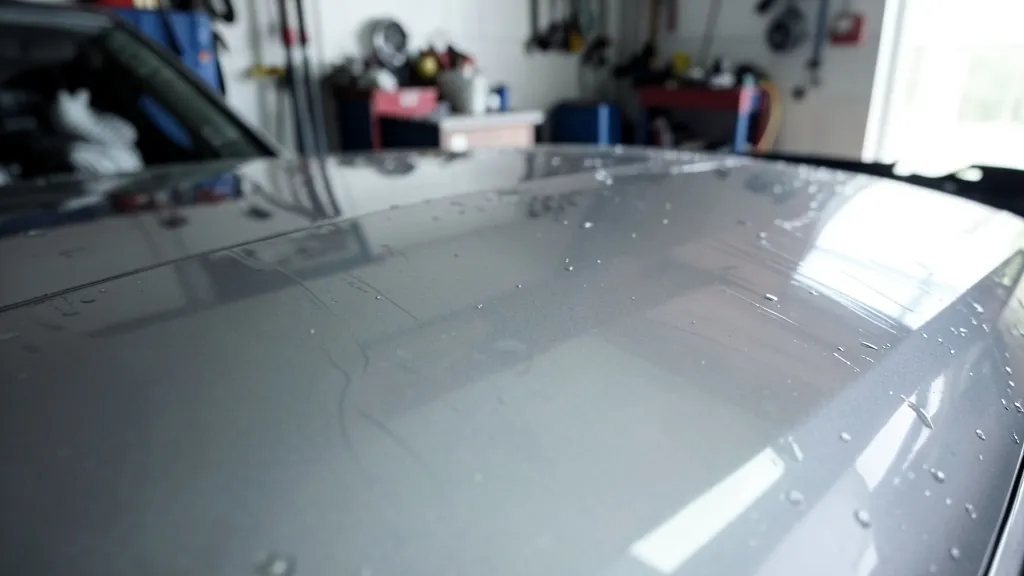
Roseville’s punishing sun, dust storms, and temperature swings demand more than a basic wax. We engineer ceramic coatings to withstand these extremes, preserving your vehicle’s finish for years. Proper prep and layering make all the difference.
Why Roseville’s Climate Demands a Pro-Grade Ceramic Coating
Sacramento Valley heat accelerates paint oxidation, fading, and clear-coat breakdown. A high-quality ceramic coating adds a 9H-hardness shield that resists UV degradation far longer than traditional sealants.
Dust from the Sierra foothills and agricultural areas etches paint over time. Our nano-ceramic polymers create a slick, hydrophobic surface that repels contaminants before they bond to your finish.
Winter rain and spring pollen test even the best coatings. Cross-linked silica networks in our formulations prevent water spotting and make cleanup effortless, even after heavy downpours.
Store-bought ceramic sprays lack the thickness and durability for Roseville’s conditions. Improper application often leads to streaking, peeling, or premature failure.
Paint Correction: The Non-Negotiable First Step
No ceramic coating adheres well to swirls, scratches, or oxidized paint. Our team performs multi-stage polishing to restore a mirror-like surface before any coating is applied.
We use dual-action polishers and fine abrasives to remove defects without thinning your clear coat. This step ensures the coating bonds at a molecular level for maximum longevity.
Even new cars often have factory imperfections. A thorough paint correction eliminates buffer trails, holograms, and orange peel, giving the coating a flawless foundation.
Ceramic Coating vs. Paint Protection Film: When to Choose Each
Ceramic coatings excel at enhancing gloss, hydrophobic properties, and UV resistance. They’re ideal for most daily drivers in Roseville, especially when paired with regular maintenance.
Paint Protection Film (PPF) offers superior defense against rock chips, deep scratches, and self-healing properties. We often recommend PPF for high-impact areas like hoods and bumpers, then top it with a ceramic coating for added shine and ease of cleaning.
For off-road enthusiasts or fleet vehicles in Antelope or Lincoln, a hybrid approach—PPF on vulnerable panels and ceramic coating everywhere else—delivers the best of both worlds.
| Feature | Ceramic Coating | Paint Protection Film (PPF) |
|---|---|---|
| UV Resistance | Excellent (blocks 99%+ UV rays) | Good (varies by film quality) |
| Scratch Resistance | Moderate (9H hardness) | High (self-healing options) |
| Rock Chip Protection | Minimal | Superior |
| Hydrophobic Effect | Extreme (120°+ contact angle) | Moderate |
| Gloss Enhancement | High (deep, reflective shine) | Low (matte or satin options) |
| Longevity | 2–5 years (with care) | 5–10 years |
| Maintenance | Low (pH-neutral washes) | Low (but may yellow over time) |
| Cost Factors | Varies by layers, vehicle size, prep work | Varies by coverage, film type, installation complexity |
Layering Techniques for Extended Durability
A single layer of ceramic coating provides basic protection, but we recommend 2–3 layers for Roseville’s climate. Each additional layer deepens the hydrophobic effect and extends lifespan.
The base coat bonds directly to the paint, while the top coat enhances gloss and repellency. This sandwich approach also makes the finish more resistant to chemical stains from bird droppings or tree sap.
For luxury or showroom vehicles in Granite Bay or Rocklin, we often add a final “sacrificial” layer. This top coat can be refreshed every 1–2 years without redoing the entire process.
Dark paints show swirls and water spots more easily. An extra ceramic layer and a high-gloss top coat minimize these issues, keeping your black or navy finish looking pristine.
Protecting Every Surface: Beyond the Paint
Wheels and brake calipers take a beating from brake dust and road grime. Our ceramic wheel coatings resist high temperatures and make cleaning a breeze—no more scrubbing baked-on debris.
Interior surfaces like dashboards and leather seats also benefit from ceramic protection. These coatings repel UV rays, prevent cracking, and make spills easier to wipe away.
Don’t overlook your headlights. Yellowed or hazy lenses reduce nighttime visibility. We restore clarity with polishing, then seal with a ceramic coating to prevent future oxidation.
Maintenance: The Key to Longevity in Roseville
A ceramic coating isn’t a ‘set it and forget it’ solution. Regular washing with pH-neutral shampoo prevents contaminants from degrading the hydrophobic layer.
We recommend a maintenance spray every 3–6 months to refresh the coating’s repellency. This is especially critical during Roseville’s dry summers, when dust and pollen are at their worst.
Avoid automatic car washes with harsh brushes or alkaline cleaners. These can strip the coating prematurely. Hand washing or touchless washes are always the safer choice.
Ceramic Coating Maintenance Essentials
- Wash with pH-neutral car shampoo every 2 weeks
- Use a microfiber wash mitt and separate towels for drying
- Apply a ceramic boost spray every 3–6 months
- Decontaminate with a clay bar or iron remover twice a year
- Park in a garage or under a cover to minimize UV exposure
- Avoid wax or sealants that can leave residues
Common Mistakes That Shorten Coating Life
Skipping paint correction is a leading cause of premature coating failure. Even minor swirls can prevent proper adhesion, leading to peeling or uneven wear.
Applying a coating in direct sunlight or high humidity causes uneven curing. We always work in a climate-controlled environment for consistent results.
Using aggressive cleaners or polishes post-application can strip the coating. Stick to manufacturer-approved products to preserve the finish.
No ceramic coating lasts forever. Claims of ‘lifetime’ protection often rely on frequent reapplication of top-up products. Realistic expectations: 2–5 years with proper care.
Ceramic Coating for Fleet and Commercial Vehicles
Fleet vehicles in Roseville, Citrus Heights, or Lincoln face constant exposure to road salt, industrial fallout, and frequent washing. Ceramic coatings reduce downtime by making cleaning faster and protecting against corrosion.
For delivery vans or service trucks, we focus on high-wear areas like door edges and rear bumpers. A ceramic coating here prevents rust and maintains a professional appearance.
Commercial vehicles often see higher resale values with a well-maintained finish. A ceramic coating preserves that showroom shine, even after years of heavy use.
How to Prepare Your Car for a Ceramic Coating in Roseville
Proper prep is 80% of a successful ceramic coating application. Follow these steps to ensure optimal results.
- 1Deep Clean the Vehicle
Start with a thorough wash using a pH-neutral shampoo to remove surface dirt. Use a clay bar to eliminate embedded contaminants like tar or industrial fallout.
- 2Decontaminate the Paint
Apply an iron remover spray to dissolve brake dust and other metallic particles. Rinse thoroughly and dry with a clean microfiber towel.
- 3Perform Paint Correction
Use a dual-action polisher with progressively finer compounds to remove swirls, scratches, and oxidation. Inspect under LED lighting to ensure no defects remain.
- 4Final IPA Wipe-Down
Clean the entire surface with isopropyl alcohol (IPA) to remove any remaining oils or polish residues. This ensures a pristine surface for the coating to bond to.
- 5Apply in a Controlled Environment
Work in a dust-free, climate-controlled space. Apply the coating in small sections, allowing each to flash (become tacky) before buffing off excess with a microfiber towel.
Frequently Asked Questions
How long does a ceramic coating last in Roseville’s climate?
With proper prep and maintenance, a professional-grade ceramic coating typically lasts 2–5 years in Roseville. Factors like sun exposure, washing habits, and the number of layers applied all influence longevity. Request a quote to discuss options tailored to your vehicle.
Can a ceramic coating prevent rock chips?
Ceramic coatings add hardness and scratch resistance, but they won’t stop rock chips. For full protection against impacts, we recommend pairing a ceramic coating with Paint Protection Film (PPF) on high-risk areas like the hood and bumper.
Is ceramic coating worth it for an older car in Ceramic Coating Roseville?
Absolutely, if the paint is in good condition after correction. Ceramic coatings can rejuvenate older vehicles by restoring gloss and protecting the finish from further damage. We’ll assess your car’s paint during a consultation to determine the best approach.
How do I clean my car after a ceramic coating is applied?
Use a pH-neutral car shampoo and a microfiber wash mitt. Avoid automatic car washes with brushes, and never use wax or silicone-based products, as these can leave residues. A ceramic boost spray every few months helps maintain the hydrophobic effect.
Does ceramic coating work on matte or satin finishes?
Yes, but it requires a specialized matte-specific ceramic coating. These products preserve the flat or satin look while adding protection and ease of cleaning. We offer matte coatings for vehicles in Rocklin, Granite Bay, and beyond.
What’s the difference between a ceramic coating and ceramic window tint?
Ceramic coatings are applied to exterior paint to enhance durability and gloss. Ceramic window tint uses nano-ceramic particles in the film to block UV rays, reduce heat, and improve visibility. We offer both services for comprehensive protection.