How to Spot Degradation in Your Ceramic Coating in Ceramic Coating Roseville, CA
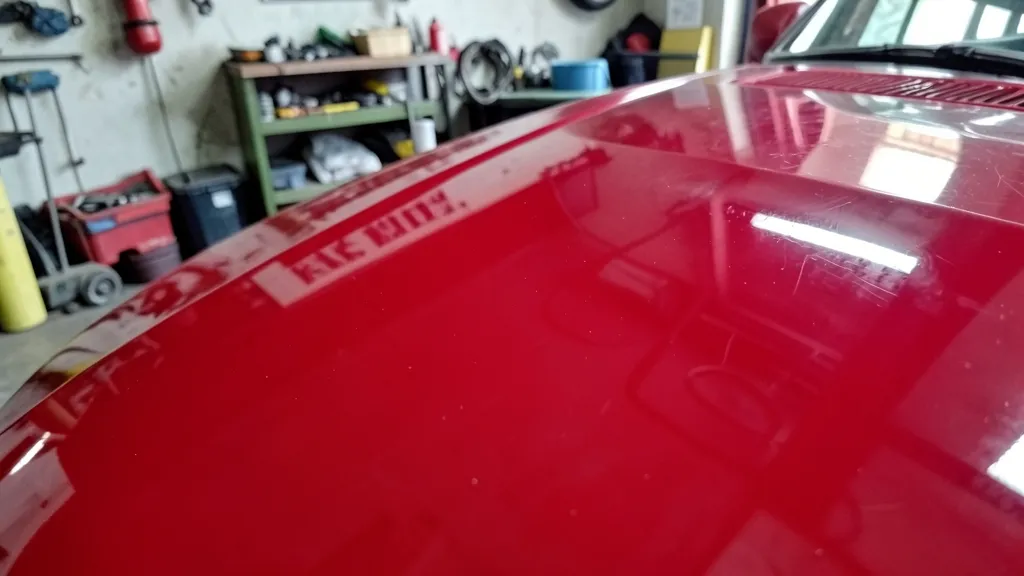
Ceramic coatings don’t last forever, even in Roseville’s dry climate. Over time, UV exposure, harsh detergents, and road grime break down the protective layer. We’ll show you how to catch the early warning signs before permanent damage sets in.
Why Ceramic Coatings Degrade Faster in Roseville’s Climate
Roseville’s hot summers and intense UV rays accelerate the breakdown of SiO2 bonds in ceramic coatings. The clear coat beneath becomes vulnerable if the coating thins unevenly.
Dust from nearby construction in Granite Bay or Antelope can also embed into the coating, reducing its hydrophobic performance. Regular decontamination washes help, but only for so long.
The 5 Early Warning Signs of a Failing Coating
Water no longer beads tightly or sheets off quickly. Instead, it lingers in flat, uneven patches—a classic sign of reduced hydrophobicity.
Swirl marks and micro-scratches appear more visible after washes. A healthy coating resists light abrasions; a degrading one does not.
Contaminants like bird droppings or tree sap bond almost instantly. A strong coating repels these for hours, giving you time to clean.
The paint feels rough to the touch, even after a thorough wash. This indicates embedded grime or a coating that’s no longer self-cleaning.
Gloss levels drop noticeably. A fresh ceramic coating enhances depth and clarity; a failing one dulls the finish, especially under direct sunlight.
Quick Visual Inspection Checklist
- Test water beading in multiple panels
- Inspect for new swirl marks under halogen lights
- Check for rough texture with a clean microfiber cloth
- Compare gloss to areas protected by PPF or ceramic window tint
- Note how quickly contaminants stick after a drive
Ceramic Coating vs. Wax vs. Sealant: How Degradation Differs
Unlike wax or synthetic sealants, ceramic coatings don’t melt or wash away. They degrade chemically, often from the top layer downward.
Wax fails in weeks under Roseville’s sun; sealants last months. A quality ceramic coating should endure 2–5 years, but only with proper care.
| Protection Type | Lifespan (Roseville Conditions) | Failure Mode | Visual Signs |
|---|---|---|---|
| Ceramic Coating | 2–5 years | Chemical breakdown (SiO2 erosion) | Reduced beading, dulling gloss, embedded contaminants |
| Synthetic Sealant | 4–6 months | UV and detergent breakdown | Water spots, streaking, reduced shine |
| Natural Wax | 1–3 months | Heat and water dissolution | No beading, hazy finish, quick reapplication needed |
Common Causes of Premature Coating Failure in Northern California
Automatic car washes with harsh brushes or alkaline soaps strip coatings faster than hand washing. We see this often in vehicles from Rocklin and Citrus Heights.
Parking under trees in Granite Bay exposes your coating to sap and pollen, which etch into the surface if not removed promptly.
DIY detailers using incorrect pH-balanced products can degrade the coating’s top layer. Always use ceramic-safe shampoos and quick detailers.
Never use dish soap, degreasers, or clay bars without lubrication. These break down the coating’s hydrophobic matrix permanently.
How Paint Correction Ties Into Coating Longevity
A ceramic coating bonds best to a perfectly prepped surface. If swirls or oxidation weren’t fully corrected before application, the coating will degrade unevenly.
We often perform paint correction for Lincoln and Antelope clients before reapplying coatings. This ensures the new layer adheres uniformly and lasts longer.
Can You Restore a Degraded Coating, or Is Reapplication Needed?
Minor degradation can sometimes be revived with a ceramic boost spray or a light polish. This rejuvenates hydrophobicity but won’t fix deep chemical erosion.
Severe cases—where the coating has thinned to less than 20% of its original depth—require full removal and reapplication. This is common after 4+ years in Roseville’s climate.
Apply a ceramic detailer spray every 3–4 months to extend your coating’s life. This replenishes the hydrophobic layer without full reapplication.
When to Consider PPF or Ceramic Window Tint Instead
If your vehicle sees heavy road debris (common on Highway 65 near Roseville), Paint Protection Film (PPF) may outlast a coating in high-impact areas like the hood and bumper.
Ceramic window tint complements coatings by blocking UV rays that accelerate interior and paint fading. Many of our clients in Rocklin pair both for full protection.
Local Conditions That Accelerate Coating Wear
Roseville’s dusty roads, especially near construction zones, introduce abrasive particles that wear down coatings over time. Regular decontamination washes are critical.
Winter’s rare but sudden temperature swings can cause micro-cracks in the coating. A ceramic coating’s flexibility helps, but extreme shifts still take a toll.
How to Test Your Ceramic Coating’s Health at Home
Use these simple steps to assess whether your coating is still performing optimally.
- 1Water Beading Test
Spray a fine mist of water on a clean panel. Healthy coatings form tight, high beads. Weak coatings produce flat, spreading droplets.
- 2Sheeting Test
Rinse the panel with a hose. A strong coating will sheet water off in uniform layers. Poor sheeting indicates degradation.
- 3Contaminant Resistance Check
Place a drop of water and a drop of olive oil on the paint. If either spreads or leaves a stain, the coating’s hydrophobic layer is compromised.
- 4Gloss Comparison
Park in direct sunlight and compare the gloss of coated and uncoated areas (e.g., under PPF or ceramic window tint). Dullness signals wear.
- 5Fingernail Test
Gently drag a clean fingernail across the surface. A smooth feel means the coating is intact; roughness suggests embedded contaminants or erosion.
Frequently Asked Questions
How often should I reapply ceramic coating in Roseville, CA?
Most professional-grade ceramic coatings last 2–5 years under Roseville’s conditions. Reapplication depends on maintenance, exposure, and initial quality. Request a quote for an inspection to determine if it’s time.
Can I apply a new ceramic coating over an old one?
No. Old coatings must be fully removed through polishing or a dedicated coating remover. Layering new coating over a degraded one traps contaminants and reduces adhesion.
Does ceramic coating prevent rock chips in Roseville?
Ceramic coatings add scratch resistance and UV protection but won’t stop rock chips. For high-impact areas, we recommend pairing it with PPF in Rocklin or Granite Bay.
Why does my ceramic coating look streaky after washing?
Streaks often indicate improper drying or the use of non-ceramic-safe products. Hard water minerals can also leave deposits. Use a ceramic-specific quick detailer to restore clarity.
Is ceramic coating worth it for older vehicles in Ceramic Coating Roseville?
Yes, if the paint is in good condition. We often restore older vehicles with paint correction before applying a coating to protect the renewed finish. It’s ideal for preserving value in Lincoln or Antelope classics.
What’s the difference between ceramic coating and interior ceramic protection?
Ceramic coatings protect exterior paint, while interior ceramic protection shields dashboards, leather, and plastics from UV fading and stains. Both use similar SiO2 technology but are formulated for different surfaces.