Common Mistakes to Avoid When Cleaning Ceramic Coating in Roseville in Ceramic Coating Roseville, CA
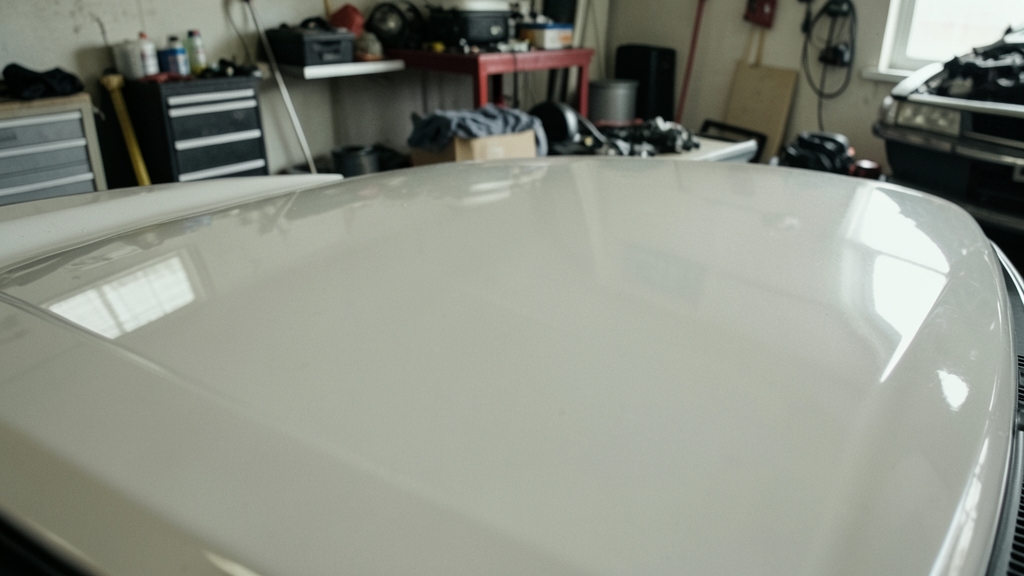
Ceramic coatings are a game-changer for paint protection, but even the toughest nano-ceramic layer can degrade fast if cleaned wrong. Our team sees the same avoidable mistakes from Rocklin to Granite Bay—often after a DIY wash or a quick stop at an automatic car wash. Proper care preserves gloss, hydrophobicity, and longevity for years.
Using Harsh or High-pH Cleaners on Your Coating
Many off-the-shelf car shampoos and degreasers contain alkaline or acidic ingredients that strip the hydrophobic top layer of a ceramic coating. Over time, this breaks down the silica matrix, reducing water beading and self-cleaning properties.
Stick to pH-neutral, ceramic-safe soaps. We recommend products specifically formulated for coated surfaces, which gently lift dirt without compromising the cross-linked polymer bond.
Dish soap, laundry detergent, and all-purpose cleaners can accelerate coating failure. Even some 'premium' car washes use high-pH solutions—always ask before trusting a local tunnel.
Skipping the Two-Bucket Wash Method
One bucket means you’re reapplying dirt and grit to the paint with every pass. In Roseville’s dry, dusty climate, this is a fast track to swirl marks—even on a coated surface.
Use one bucket for soapy water and a second for rinsing your mitt. Add grit guards to both to trap contaminants at the bottom. This simple step prevents micro-scratches that dull your finish.
Relying on Automatic Car Washes with Brushes or Harsh Chemicals
Touchless car washes are safer, but most brush-based tunnels in Roseville, Rocklin, or Citrus Heights use abrasive media and strong detergents. These can leave hairline scratches and degrade the coating’s integrity over time.
If you must use an automatic wash, choose a touchless option with a ceramic-safe pre-soak. Better yet, hand wash at home—it’s the only way to ensure no hidden damage.
| Car Wash Type | Brush Contact | Chemical Risk | Coating Safety |
|---|---|---|---|
| Brush Tunnel | High | High (alkaline/acidic) | Poor |
| Soft Cloth Tunnel | Medium | Medium | Fair |
| Touchless High-Pressure | None | Medium (varies by brand) | Good |
| Hand Wash Bay (Self-Service) | None | Low (if using proper soap) | Excellent |
Drying with the Wrong Towels or Techniques
Regular bath towels or low-quality microfiber can introduce swirls, especially when dragging across a dry surface. In Roseville’s hard water areas, improper drying also leaves mineral spots that etch into the coating over time.
Use high-quality, short-nap microfiber towels and the ‘blot-and-lift’ method. For extra protection, follow up with a ceramic maintenance spray to restore hydrophobicity.
Press the towel onto the panel, lift straight up, and repeat. Never drag the towel side-to-side—this prevents marring and keeps your coating pristine.
Ignoring Contaminants Like Iron, Tar, or Bug Splatter
Ceramic coatings resist light contaminants, but bonded iron particles, tar, or insect acids can still etch the surface if left too long. Roseville’s summer heat accelerates this process, baking contaminants into the clear coat.
Remove these with a dedicated iron remover, clay bar (lubricated with detail spray), or a tar remover. Always follow with a gentle wash to remove residues.
Using Pressure Washers Incorrectly
A pressure washer is a great tool for pre-rinsing, but holding the nozzle too close or using a narrow spray pattern can damage the coating or even lift edges of nearby PPF. Keep the nozzle 12–18 inches away and use a 25–40° tip.
Start from the top and work downward, avoiding direct blasts at seams, emblems, or wheel wells. For wheels and brake calipers—commonly coated in Granite Bay and Lincoln—use a separate, softer setting.
Neglecting Regular Maintenance and Reapplication of Top-Ups
Ceramic coatings aren’t ‘set and forget.’ Without regular maintenance, their hydrophobic and self-cleaning properties diminish faster—especially under Roseville’s intense UV exposure and temperature swings.
Wash weekly, apply a ceramic boost spray every 2–3 months, and consider a professional inspection annually. For fleet or commercial vehicles in Antelope or Lincoln, more frequent care may be needed due to higher mileage.
Mixing Ceramic Coating Care with Other Detailing Steps
Applying wax, sealants, or non-ceramic products over a coating can create a messy, uneven layer that reduces performance. These products don’t bond to the hydrophobic surface and can leave streaks or haze.
If you’ve had paint correction, PPF installation, or ceramic window tint in Rocklin or Citrus Heights, stick to ceramic-compatible products. When in doubt, ask our team for a tailored maintenance plan.
Ceramic Coating Maintenance Do’s
- Use pH-neutral, ceramic-safe shampoo
- Wash in the shade to prevent water spots
- Dry with high-quality microfiber towels
- Apply ceramic maintenance spray every 2–3 months
- Remove contaminants promptly with dedicated products
How to Safely Wash a Ceramic-Coated Car in Roseville
Follow these steps to clean your coated vehicle without compromising its protective layer.
- 1Pre-Rinse Thoroughly
Use a pressure washer or hose with a foam cannon to remove loose dirt. Start from the top and work down, paying extra attention to wheel wells and grilles.
- 2Wash with the Two-Bucket Method
Fill one bucket with pH-neutral soap and water, the other with clean water for rinsing your mitt. Use grit guards in both to trap contaminants.
- 3Clean Wheels and Brake Calipers Separately
Use a dedicated wheel cleaner safe for ceramic coatings. Agitate with a soft brush, then rinse thoroughly to avoid residue.
- 4Decontaminate as Needed
For embedded iron or tar, apply a specialized remover, then clay bar the surface with lubrication. This step is critical in areas with heavy industrial fallout, like Antelope.
- 5Dry with the Blot-and-Lift Method
Use a plush microfiber towel to blot each panel dry. Avoid dragging the towel to prevent swirls. Finish with a ceramic maintenance spray for added protection.
Frequently Asked Questions
How often should I wash my ceramic-coated car in Roseville’s climate?
We recommend washing every 1–2 weeks, especially in summer when dust, pollen, and UV exposure are high. Roseville’s dry air and hard water make frequent, proper cleaning essential to prevent buildup and etching.
Can I use a clay bar on a ceramic coating?
Yes, but only with a lubricant designed for coated surfaces. A clay bar removes bonded contaminants that washing alone can’t. Just avoid excessive pressure, and always follow with a maintenance spray to restore hydrophobicity.
What’s the difference between a ceramic coating maintenance spray and a quick detailer?
Maintenance sprays are formulated with silica or ceramic polymers to replenish the coating’s hydrophobic layer. Quick detailers often contain light polymers or waxes, which can leave residue. For Roseville’s coated vehicles, always choose a ceramic-specific product.
Is it safe to take my ceramic-coated car through a touchless car wash in Roseville?
Touchless washes are safer than brush-based ones, but their chemicals vary. Some use high-pH solutions that degrade coatings over time. If you’re unsure, hand washing is the best way to protect your investment in Ceramic Coating Roseville.
How do I remove water spots from my ceramic coating?
Hard water spots can usually be removed with a 50/50 mix of distilled water and white vinegar. Apply with a microfiber towel, let it dwell briefly, then rinse. For stubborn spots, a light polish may be needed—but avoid abrasive compounds that can damage the coating.
Does a ceramic coating eliminate the need for paint correction in the future?
No. While coatings protect against new swirls and UV damage, they don’t fix existing imperfections. If your paint has scratches or oxidation, paint correction and polishing may still be needed—especially before applying a fresh coating in areas like Granite Bay or Lincoln.