Ceramic Coating vs. Wax: Why One Fails and the Other Lasts in Ceramic Coating Roseville
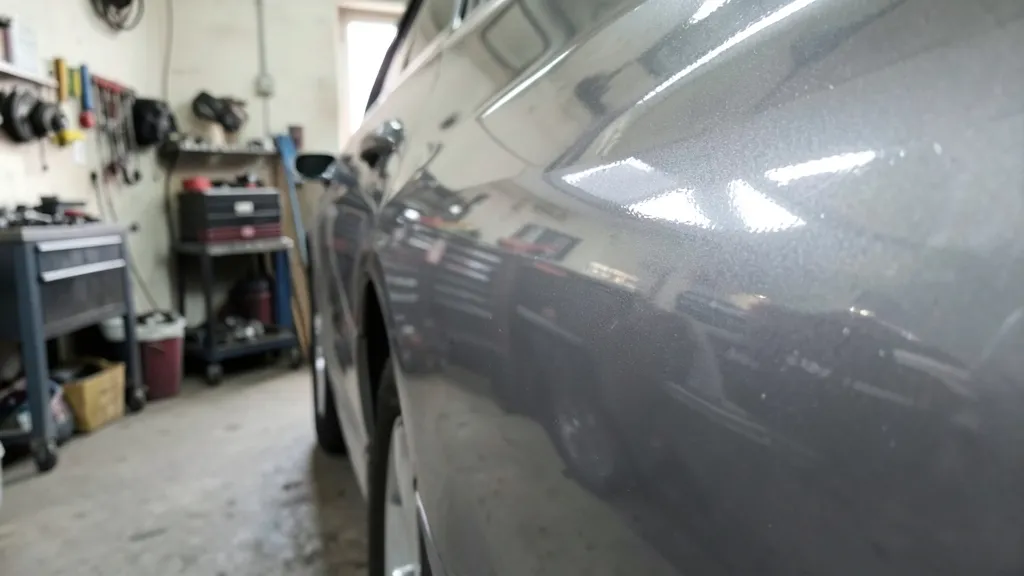
Wax gives your car a temporary shine, but in Roseville’s punishing sun and dry heat, it breaks down in weeks. Ceramic coatings bond to your paint at a molecular level, delivering years of gloss, UV protection, and hydrophobic defense. We’ll break down the real differences so you can choose what lasts.
The Core Difference: Temporary Shine vs. Permanent Bond
Wax, whether carnauba or synthetic, sits on top of your clear coat. It fills minor imperfections and adds gloss, but it’s a sacrificial layer. Heat, UV rays, and even car washes strip it away quickly in our region.
Ceramic coatings use nano-ceramic polymers (often SiO2-based) that chemically bond to your paint. This creates a semi-permanent layer rated up to 9H on the hardness scale, resisting scratches, UV oxidation, and chemical etching far longer than wax ever could.
Summer temps often exceed 100°F, and UV exposure is intense. Wax softens and degrades in these conditions, while ceramic coatings remain stable up to 1,200°F.
Longevity: Weeks vs. Years
A high-quality carnauba wax might last 4–8 weeks in ideal conditions. In Roseville, expect 2–4 weeks before it’s gone. Synthetic sealants push that to 4–6 months, but they still can’t match a ceramic coating’s lifespan.
Professional-grade ceramic coatings last 2–5 years, with some premium formulas exceeding 7 years. Even DIY ceramic sprays (like those we use for touch-ups in Rocklin or Granite Bay) outlast wax by a wide margin, often 6–12 months.
Protection: What Each Actually Defends Against
Wax offers minimal UV protection and no real defense against bird droppings, tree sap, or road salt. Its hydrophobic effect fades fast, leaving your paint vulnerable to water spotting—common after Roseville’s rare but intense winter rains.
Ceramic coatings excel at repelling contaminants. Their hydrophobic and oleophobic properties mean water, oils, and grime bead up and slide off. They also resist chemical etching from bird droppings or bug splatter, which wax can’t prevent.
Gloss and Depth: More Than Just Shine
Wax can make paint look deeper temporarily by filling micro-scratches. But it doesn’t enhance clarity like a ceramic coating, which amplifies your paint’s true color and metallic flakes. The difference is striking on darker vehicles common in Granite Bay or Lincoln.
Ceramic coatings also maintain that gloss longer. Wax requires reapplication every month or two to keep up, while a coated car stays vibrant with minimal maintenance—just regular washes with pH-neutral soap.
Pair a ceramic coating with professional paint correction first. This removes swirls and oxidation, ensuring the coating bonds to a flawless surface. We do this for many clients in Rocklin before applying coatings.
Maintenance: Low Effort vs. High Upkeep
Wax demands constant attention. Every few weeks, you’re back in the garage or at a detailer, prepping and reappling. Even synthetic sealants need reapplication every few months to stay effective.
Ceramic coatings are nearly maintenance-free. A simple wash keeps them performing at their best. For extra longevity, we recommend annual inspections and a ceramic boost spray—something we offer for clients in Citrus Heights and Antelope.
Cost Factors: Short-Term vs. Long-Term Value
Wax is cheap upfront—a bottle of premium carnauba costs little, but the time and repeated applications add up. Over a year, you might spend more on wax and sealants than a single ceramic coating application.
Ceramic coating costs vary based on vehicle size, paint condition, and the product used. Full-vehicle coatings require paint correction first, which adds to the investment. But spread over 3–5 years, the annual cost is often lower than wax. Request a quote to see how it pencils out for your car.
| Feature | Ceramic Coating | Wax |
|---|---|---|
| Durability | 2–5+ years | 2–8 weeks |
| UV Protection | Excellent | Minimal |
| Hydrophobic Effect | Strong, long-lasting | Weak, short-lived |
| Chemical Resistance | High (resists etching) | Low |
| Scratch Resistance | Moderate (9H hardness) | None |
| Gloss Enhancement | Deep, long-term clarity | Temporary fill-in |
| Maintenance | Low (annual inspection) | High (frequent reapplication) |
| Heat Tolerance | Up to 1,200°F | Softens above 120°F |
When Wax Still Makes Sense
Wax isn’t obsolete. It’s great for show cars needing a quick shine before an event, or for older vehicles where a full ceramic coating isn’t justified. Some enthusiasts in Lincoln or Antelope also layer wax over a ceramic coating for extra gloss on special occasions.
For daily drivers exposed to Roseville’s elements, though, ceramic coatings are the clear winner. They’re also ideal for fleet vehicles or commercial trucks that see heavy use—we’ve coated many in the Sacramento Valley for long-term protection.
Never apply wax over a poorly maintained ceramic coating. The wax can bond to contaminants, reducing the coating’s effectiveness. Always decontaminate the surface first.
Beyond Coatings: Complementary Protection for Roseville Drivers
Ceramic coatings pair well with other protective services. Paint Protection Film (PPF) adds a physical barrier against rock chips—common on highways near Rocklin. Ceramic window tint reduces heat and UV inside the cabin, while wheel and brake caliper coatings prevent brake dust from sticking.
For full protection, we often recommend a layered approach: PPF for high-impact areas, ceramic coating for the rest of the paint, and ceramic tint for the windows. This setup handles everything from sun damage to road debris.
How to Decide Between Ceramic Coating and Wax for Your Car
Not sure which is right for you? Follow these steps to make a good choice.
- 1Assess Your Climate Exposure
If your car sits outside in Roseville’s sun or faces frequent highway driving, ceramic coating is the smarter long-term choice. Wax works for garage-kept cars with minimal exposure.
- 2Evaluate Your Paint’s Condition
Ceramic coatings require a clean, corrected surface. If your paint has heavy swirls or oxidation, budget for paint correction first. Wax can temporarily hide minor flaws but won’t fix them.
- 3Consider Your Time and Budget
If you enjoy detailing and don’t mind reapplying wax every few weeks, it’s a low-cost option. For a hands-off, long-term solution, ceramic coating wins—even with the higher upfront cost.
- 4Think About Resale Value
A well-maintained ceramic coating can boost your car’s resale value by preserving the paint. Wax doesn’t offer the same long-term protection or appeal to buyers.
- 5Consult a Professional
Request a quote and inspection. We’ll assess your paint, discuss your driving habits, and recommend a protection plan—whether it’s a full ceramic coating, PPF, or a hybrid approach.
Frequently Asked Questions
Does ceramic coating make my car completely scratch-proof?
No ceramic coating is 100% scratch-proof, but it significantly improves resistance to light scratches and swirl marks. For full protection against rock chips, we recommend pairing it with Paint Protection Film (PPF), especially for vehicles in high-traffic areas like Citrus Heights.
Can I apply ceramic coating over existing wax?
No. Wax must be fully removed before applying a ceramic coating. Any residue will prevent the coating from bonding properly. We use a thorough decontamination process, including clay bar treatment, to ensure a clean surface for coatings in Roseville.
How do I maintain a ceramic-coated car in Roseville’s climate?
Maintenance is simple: wash your car regularly with a pH-neutral soap, avoid automatic car washes with harsh brushes, and use a ceramic boost spray every 6–12 months. This keeps the hydrophobic properties strong and extends the coating’s life.
Is ceramic coating worth it for an older car?
It depends on the paint’s condition. If the clear coat is intact and the paint can be corrected, a ceramic coating can restore and protect the finish for years. For cars with peeling clear coat or severe damage, PPF or a fresh paint job may be better. We see this often with older vehicles in Antelope.
Can ceramic coating be removed if I change my mind?
Yes, but it requires professional help. Ceramic coatings are designed to last, so removal involves machine polishing to gradually wear down the layer. It’s not a DIY job—improper removal can damage your paint. We offer this service for clients who want to reapply or switch products.
Do you offer ceramic coating for motorcycles or RVs in Ceramic Coating Roseville?
Absolutely. We apply ceramic coatings to motorcycles, RVs, boats, and even fleet vehicles. The process is similar, but we adjust the product and technique for different surfaces and usage patterns. Many RV owners in Granite Bay opt for coatings to protect against UV damage and road grime.