1-2 Year vs. 5-10 Year Ceramic Coating: Price Differences and What to Choose in Ceramic Coating Roseville
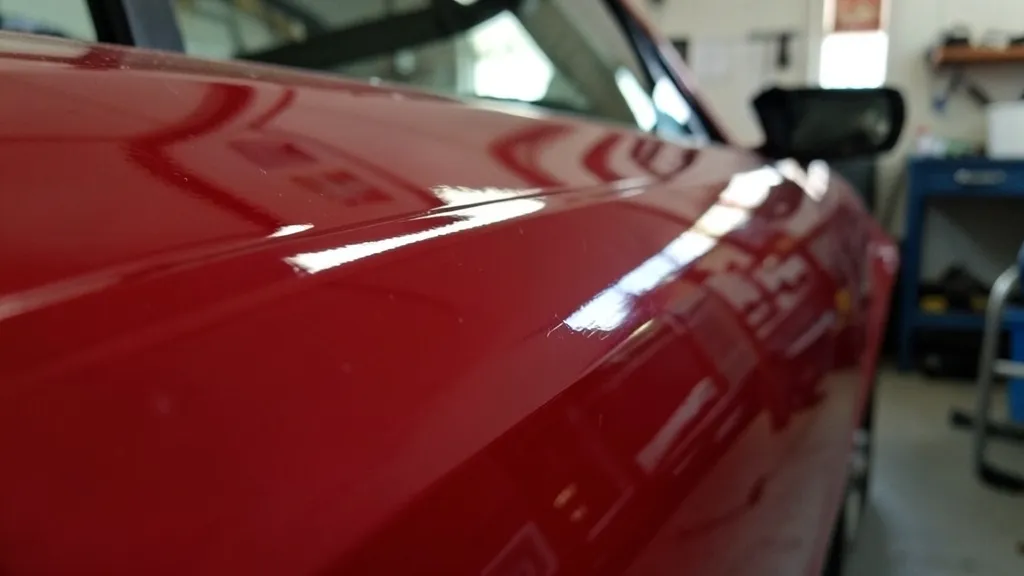
Choosing between a 1-2 year and a 5-10 year ceramic coating isn’t just about longevity—it’s about performance, prep work, and what your vehicle truly needs in our region’s harsh sun and dust. We break down the real differences so you can decide with confidence.
Why Longevity Isn’t the Only Factor in Ceramic Coatings
A 5-10 year coating uses denser nanoceramic polymers with higher silica content, creating a harder, more durable bond to your clear coat. This means better resistance to UV fading, oxidation, and chemical etching from bird droppings or tree sap common in Roseville’s suburban areas.
Shorter-term coatings (1-2 years) often use lighter formulations. They’re easier to apply and remove, making them ideal for first-time users or those testing the benefits before committing to a long-term solution.
The Hidden Cost Drivers: Prep Work and Layers
Longer-lasting coatings demand meticulous paint correction first. In Roseville’s dry climate, swirl marks and oxidation build up fast, so we often spend hours on machine polishing before application. Skipping this step voids warranties and shortens lifespan.
Multi-layer applications are standard for 5-10 year products. Each layer adds time, labor, and material costs. Single-layer 1-2 year coatings cut these expenses but sacrifice depth of protection.
If your car has visible scratches or fading, budget for paint correction before coating. Our intense summer sun accelerates damage, making prep non-negotiable for long-term results.
1-2 Year vs. 5-10 Year Coatings: Side-by-Side Comparison
The table below highlights key differences beyond just duration. Note how environmental resistance and maintenance needs shift dramatically with longevity.
| Feature | 1-2 Year Coating | 5-10 Year Coating |
|---|---|---|
| Longevity | 12–24 months | 5–10 years |
| Hydrophobic Effect | Moderate (beads water) | Extreme (sheeting effect) |
| UV Protection | Basic | High (99%+ blockage) |
| Chemical Resistance | Good (pH 2–12) | Excellent (pH 1–14) |
| Scratch Resistance | Minimal (5H hardness) | High (9H hardness) |
| Maintenance | Reapply annually | Wash-only, occasional boost |
| Prep Required | Light polishing | Full paint correction |
| Layers Applied | 1 | 2–4 |
| Ideal For | Leased vehicles, first-timers | Daily drivers, luxury/fleet vehicles |
How Roseville’s Climate Affects Your Coating Choice
Our hot, dry summers and dusty conditions in areas like Granite Bay or Antelope accelerate paint wear. A 5-10 year coating’s superior UV resistance prevents fading, while its hydrophobic layer repels dust and water spots from irrigation or morning dew.
For drivers in Rocklin or Lincoln who park outdoors, the longer coating’s oxidation resistance is critical. Shorter coatings may require touch-ups every 12–18 months to maintain appearance.
Big-box ceramic sprays rarely last beyond 6 months in our climate. Professional-grade products require controlled environments and expert application to achieve advertised longevity.
Price Factors: What You’re Really Paying For
Labor is the biggest cost variable. A 5-10 year coating may take 2–3 days due to paint correction, multiple layers, and curing time. 1-2 year coatings often wrap in a single day with minimal prep.
Material quality matters. High-silica, professional-grade ceramics (like those we use for fleet vehicles in Citrus Heights) cost more upfront but reduce long-term maintenance. Cheaper alternatives degrade faster under UV exposure.
Vehicle size and condition also play a role. A compact sedan requires less product than an SUV, but heavy oxidation or swirls on any vehicle add prep time—and cost.
When a Shorter Coating Makes Sense
Leased vehicles or those you plan to sell within 2 years benefit from 1-2 year coatings. You get gloss and protection without over-investing in a car you won’t keep.
First-time users often start here to experience the hydrophobic effect and easier cleaning before upgrading. It’s also a smart choice for older vehicles where paint correction isn’t feasible.
A 1-2 Year Coating May Be Right If:
- You lease or plan to trade in your vehicle soon
- Your paint has minor imperfections but no heavy oxidation
- You want to test ceramic protection before committing long-term
- Your budget prioritizes immediate gloss over decade-long durability
Why Some Drivers in Roseville Choose 5-10 Year Coatings
Daily drivers exposed to Roseville’s sun, dust, and occasional hail (yes, even here!) benefit from maximum protection. The 9H hardness resists light scratches from car washes or debris on I-80.
Luxury or classic car owners in Granite Bay often pair ceramic coatings with paint protection film (PPF) for ultimate defense. The coating enhances PPF’s hydrophobic properties, while PPF guards against rock chips.
Maintenance: Keeping Your Coating at Peak Performance
Even 5-10 year coatings need care. Wash with pH-neutral shampoo every 2 weeks to prevent contaminant buildup. Avoid automatic car washes with harsh brushes—they can prematurely wear the coating.
Annual inspections help. We check for water beading degradation or areas needing a ceramic boost spray. For 1-2 year coatings, plan a reapplication before the hydrophobic effect fades completely.
How to Decide Between 1-2 Year and 5-10 Year Ceramic Coating
Use this step-by-step guide to match your needs, budget, and vehicle to the right coating.
- 1Assess Your Vehicle’s Condition
Check for swirl marks, oxidation, or deep scratches. Heavy damage? A 5-10 year coating requires paint correction first, adding to the cost.
- 2Determine Your Ownership Timeline
Keeping your car 3+ years? A long-term coating pays off. Selling soon? A shorter coating may suffice.
- 3Evaluate Your Parking and Driving Habits
Park outdoors in Rocklin’s heat or drive dusty roads in Antelope? Prioritize UV and contaminant resistance with a 5-10 year option.
- 4Compare Upfront Cost vs. Long-Term Value
Request a quote to weigh prep work, layers, and materials. Remember: a longer coating reduces frequent reapplication costs.
- 5Consider Add-Ons for Maximum Protection
Pair your coating with PPF for rock chip prone areas, or add ceramic window tint to reduce heat. These combos are popular in Lincoln and Granite Bay.
Frequently Asked Questions
Does a 5-10 year ceramic coating really last that long in Roseville’s climate?
Yes, with proper prep and maintenance. Our dry heat and UV exposure can shorten lifespan slightly, but professional-grade coatings still deliver 7–10 years of strong protection. Annual inspections help maximize durability.
Can I apply a 1-2 year coating myself to save money?
DIY kits rarely achieve professional results, especially in our climate. Improper application leads to streaking, uneven curing, or premature failure. We’ve seen many Rocklin drivers regret skipping professional installation.
Is paint correction always required before a ceramic coating?
For 5-10 year coatings, yes—90% of the time. The coating amplifies imperfections, so correcting swirls or oxidation first ensures a flawless finish. 1-2 year coatings are more forgiving but still benefit from light polishing.
How does ceramic coating compare to wax or sealants in Roseville?
Wax lasts 1–3 months; sealants 6–12 months. Ceramic coatings outperform both in longevity, UV protection, and resistance to contaminants like dust or water spots from sprinklers. They’re the superior choice for our region’s conditions.
Do you offer ceramic coatings for wheels or brake calipers in Ceramic Coating Roseville?
Absolutely. Wheel and brake caliper ceramic coatings resist brake dust and high temps, making cleaning easier. They’re a popular add-on for performance vehicles in Granite Bay and Lincoln.
What’s the best way to maintain my ceramic coating between professional services?
Use a pH-neutral car shampoo and microfiber wash mitts. Avoid wax or silicone-based products—they can leave residues. For long-term coatings, a ceramic boost spray every 12–18 months restores hydrophobicity.